- Contact us @:
- 020 8558 4848
- 020 3208 0000
- info@qiblatravels.com


Umrah vs. Hajj: Understanding the Differences and Similarities

Top Tips to Get the Best Umrah Deal within Your Budget
December 15, 2023
Umrah in December 2024: A Rich Path to Spiritual Fulfillment
December 18, 2023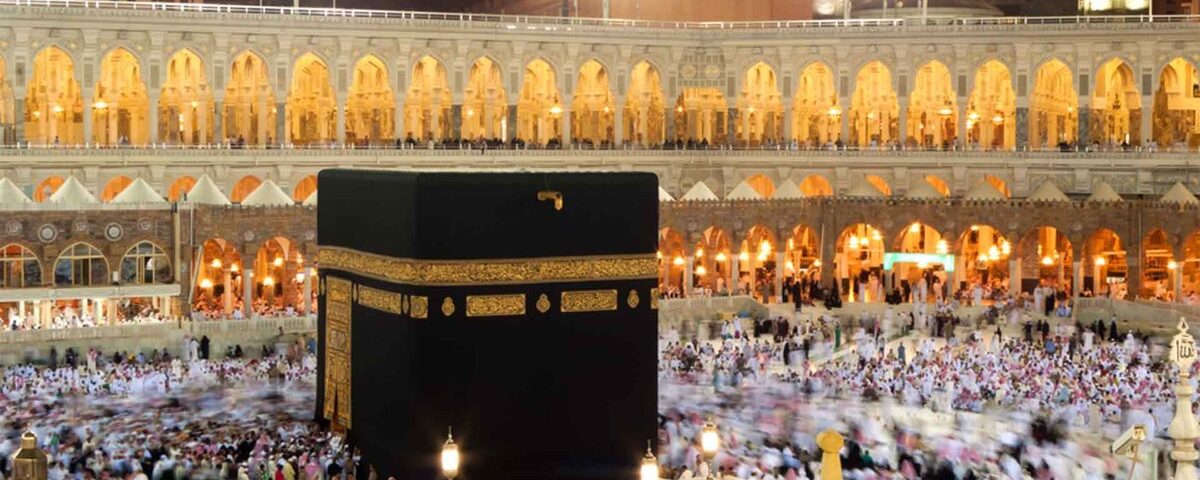
Undertaking a pilgrimage is a profound and sacred journey, holding immense significance in Islam. Two of the most crucial pilgrimages for Muslims are Umrah and Hajj. While both involve a spiritual journey to the holy city of Mecca, they differ in various aspects. Let’s delve into the distinctions and similarities between Umrah and Hajj to gain a better understanding of these sacred acts of worship.
Umrah: A Voluntary Pilgrimage
Umrah is often referred to as the “lesser pilgrimage” or the “minor pilgrimage.” It is a voluntary act of worship that Muslims can undertake at any time of the year, unlike Hajj, which has specific dates during the Islamic month of Dhu al-Hijjah. Umrah consists of a set of rituals that include wearing the ihram (a special white garment), performing Tawaf (circumambulation) around the Kaaba, and Sa’i (walking seven times between the hills of Safa and Marwah). Unlike Hajj, Umrah does not have as many rituals, and it is not obligatory for all Muslims. However, it holds great spiritual significance and is considered a means of seeking forgiveness and blessings from Allah.
Hajj: The Obligatory Pilgrimage
Hajj, on the other hand, is one of the Five Pillars of Islam and is obligatory for every able-bodied and financially capable Muslim to perform at least once in their lifetime. It takes place during the Islamic month of Dhu al-Hijjah and involves a series of rituals that commemorate the actions of Prophet Ibrahim (Abraham) and his family. Hajj includes the practice of standing on the plains of Arafat, throwing pebbles at three pillars representing Satan, and the symbolic act of sacrificing an animal, known as Qurbani. The pilgrimage is a time of spiritual reflection, unity, and equality, as millions of Muslims from diverse backgrounds come together to worship and seek forgiveness.
Choosing A Spiritual Decision
Embarking on a pilgrimage is a deeply personal and spiritual journey for Muslims, and the decision between Umrah and Hajj holds profound significance. In this exploration, we navigate the spiritual considerations and practical aspects that shape this important choice. Understanding the distinctions in obligation, rituals, and timing, while recognizing the shared spiritual essence, is crucial. Whether influenced by the voluntary nature of Umrah or the obligatory nature of Hajj, each journey is a sacred endeavor. This guide serves as a companion, offering insights to aid in the decision-making process and ensuring that your selected pilgrimage, whether Umrah or Hajj, becomes a transformative and spiritually enriching experience.
Similarities Between Umrah and Hajj
While Umrah and Hajj differ in terms of obligation, rituals, and timing, they share common elements that reflect the core principles of Islam. Both pilgrimages involve acts of worship at the holy city of Mecca, the wearing of the ihram, and the performance of Tawaf around the Kaaba. Additionally, both Umrah and Hajj are opportunities for Muslims to seek forgiveness, purify their souls, and draw closer to Allah.
Qibla Travels: Your Companion on the Spiritual Journey
For those seeking to experience the sacred journey of Umrah, Qibla Travels is here to assist. As a leading travel agency, we understand the importance of facilitating a seamless pilgrimage experience. Our commitment is to provide the Muslim community in the UK with the most affordable and convenient Umrah packages. Qibla Travels takes pride in offering comprehensive Umrah packages that include flights, accommodation, and transportation. Our dedicated team ensures that every aspect of your pilgrimage is taken care of, allowing you to focus solely on your spiritual journey.


 WhatsApp

